
TALC
TALC
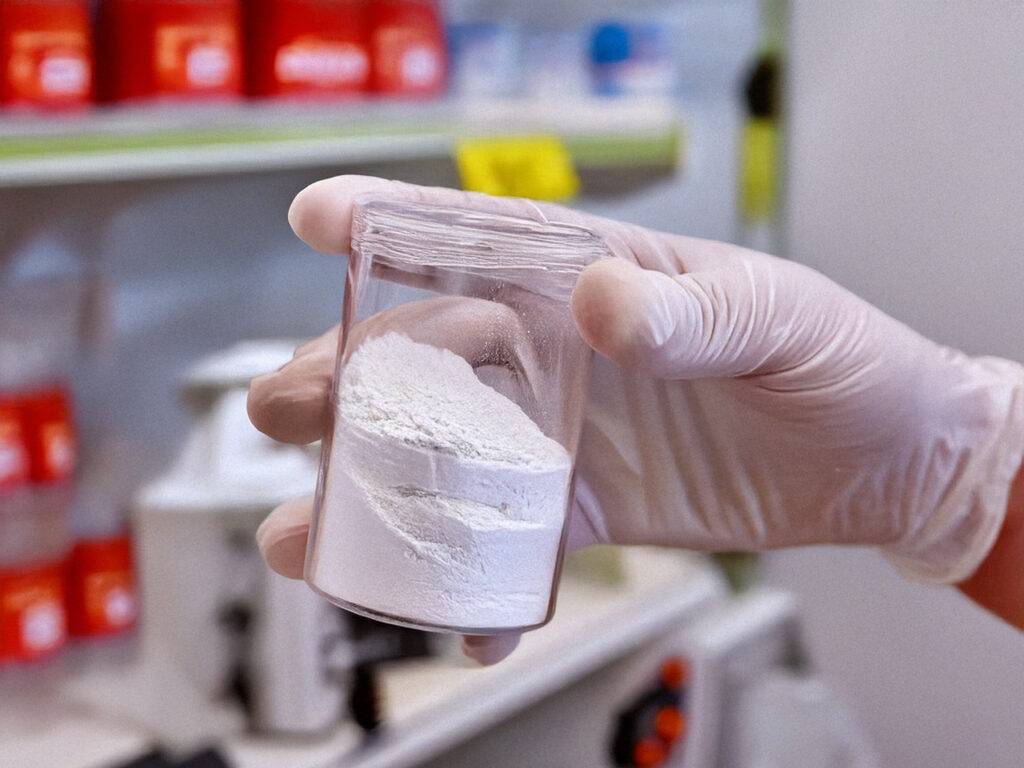
Talc is the softest mineral on Earth, prized for its silky texture and versatility. From baby powder to industrial fillers and ancient carvings, its layered structure and chemical stability make it a quiet powerhouse in both everyday products and specialized applications.
What Is Talc?
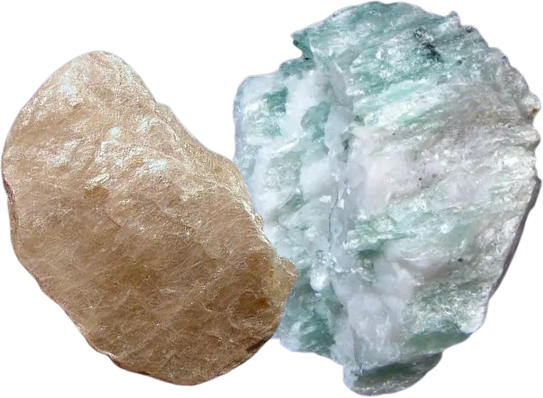
Talc is a naturally occurring mineral composed of hydrated magnesium silicate, which means it’s a compound of magnesium, silicon, oxygen, and water. It forms deep within the Earth’s crust, often in metamorphic rocks like soapstone, which is a rock made primarily of talc. It can be white, gray, pale green, or brown.
Talc’s most defining property is its extreme softness. On the Mohs scale of mineral hardness, which ranks minerals from 1 (softest) to 10 (hardest), talc is a perfect 1. You can easily scratch it with your fingernail. This softness gives it a unique, greasy or soapy feel when touched, which is why the compact rock form is called “soapstone.”
Talc’s unique properties make it highly versatile. It has a layered or “platy” structure, which allows the layers to slide past each other easily. This is the reason for its softness and its lubricating properties. It’s also an excellent absorber of moisture and oils, and it’s chemically inert, meaning it doesn’t react with other substances. These characteristics are what make it so valuable for a wide range of uses.
Formation
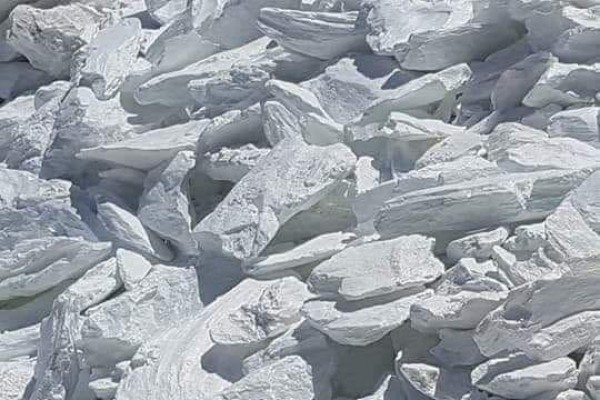
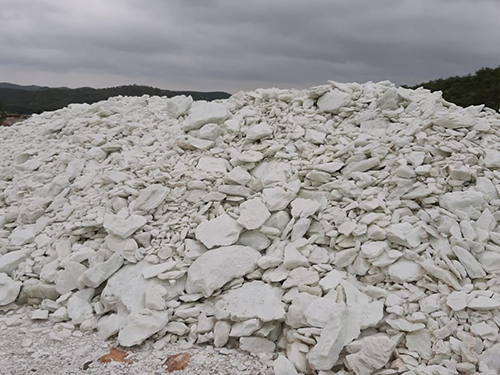
Talc is a metamorphic mineral, meaning it forms deep within the Earth’s crust under specific conditions of high heat, pressure, and chemical reactions. The formation process is a slow transformation of pre-existing, magnesium-rich rocks.
Talc forms through a process called metamorphism, a “change in form” of existing rocks. It’s not created by volcanoes or by weathering on the surface. Instead, it’s a product of intense geological activity, such as tectonic plate collisions, which subjects rocks to the necessary conditions.
The two main processes for talc formation are:
- Alteration of Magnesium Carbonate Rocks: This is the most common way talc deposits form. It happens when magnesium-rich sedimentary rocks, such as dolomite and magnesite, are exposed to hot, water-rich fluids containing silica. The heat and fluids cause the original carbonate minerals to alter and transform into talc.
- Alteration of Ultramafic Rocks: Talc can also form from the alteration of magnesium-rich igneous rocks like serpentine and olivine. This occurs when these rocks are subjected to a process called hydrothermal alteration, where they react with hot fluids that introduce carbon dioxide and water. This reaction transforms the original minerals into a new mineral assemblage that includes talc.
In both cases, the presence of hot, chemically active fluids is essential. These fluids act as catalysts, transporting the necessary chemical components and enabling the transformation of the parent rock into the soft, layered mineral we know as talc. The final properties of the talc, such as its color and purity, depend on the specific type of parent rock and the conditions under which it formed.
Uses of Talc
Talc is one of those quietly powerful minerals—soft to the touch, but incredibly versatile. Here’s a breakdown of its many uses across industries and everyday life:
1. Cosmetics and Personal Care
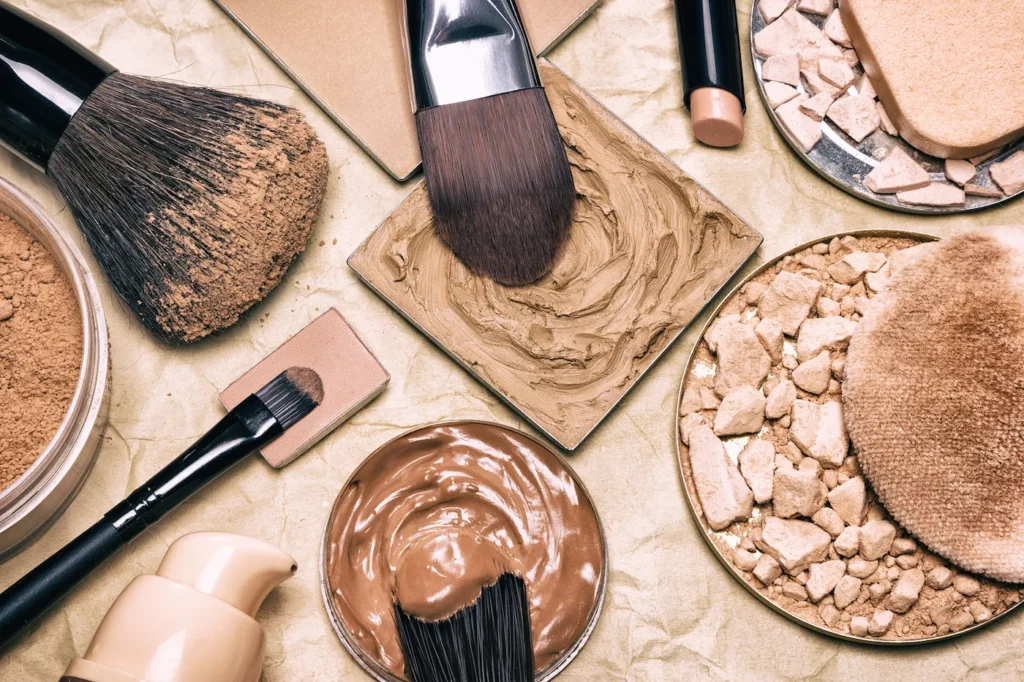
- Baby Powder: Talc’s softness and moisture-absorbing properties make it ideal for keeping skin dry and preventing rashes.
- Face and Body Powders: Used to improve texture, absorb oil, and give a silky finish.
- Makeup: Found in eyeshadows, blushes, and foundations to enhance smooth application and longevity.
2. Industrial Applications
- Paints and Coatings: Talc acts as a filler, improving durability and smoothness.
- Plastics: Enhances stiffness and heat resistance in polypropylene and other polymers.
- Ceramics: Used in tiles, sanitary ware, and tableware to improve thermal shock resistance.
- Paper: Improves opacity, printability, and surface smoothness.
3. Construction and Carving
- Soapstone: A talc-rich rock used for countertops, sinks, and sculptures due to its softness and heat resistance.
- Roofing Materials: Talc is added to asphalt products to prevent sticking and improve weather resistance.
4. Agriculture
- Carrier for Pesticides and Fertilizers: Talc serves as a neutral base for distributing active ingredients.
- Seed Coating: Helps seeds flow better during planting and reduces clumping.
5. Pharmaceuticals
- Tablet Manufacturing: Talc is used as a lubricant and anti-sticking agent in pill production.
- Topical Medications: Sometimes included in medicated powders for its soothing properties.
6. Food Industry (Limited Use)
- Food Additive (E553b): Occasionally used as an anti-caking agent in products like chewing gum or rice.

Renewable Significance of Talc
While talc isn’t a direct source of renewable energy, it plays a supportive and enabling role in several industries that contribute to sustainability and renewable technologies. Its unique properties help to make various products more efficient, durable, and environmentally friendly.
Enhancing Plastics for Lightweighting (Automotive and Wind Energy)
Talc is widely used as a filler in plastics. When added to polymers, it increases their stiffness, impact strength, and heat resistance. This is particularly significant for:
- Lightweight Vehicles: Talc-filled plastics are used in car parts to reduce vehicle weight. Lighter cars consume less fuel (for internal combustion engines) or extend the range of electric vehicles, directly contributing to reduced emissions and greater energy efficiency.
- Wind Turbine Components: In the renewable energy sector, talc-reinforced plastics can be found in certain components of wind turbines, offering enhanced strength and durability while keeping the weight manageable.