
LEAD / ZINC
LEAD / ZINC
Lead and zinc are two important metals that occur together and have distinct properties, uses, and health considerations, making them valuable in various industrial applications.
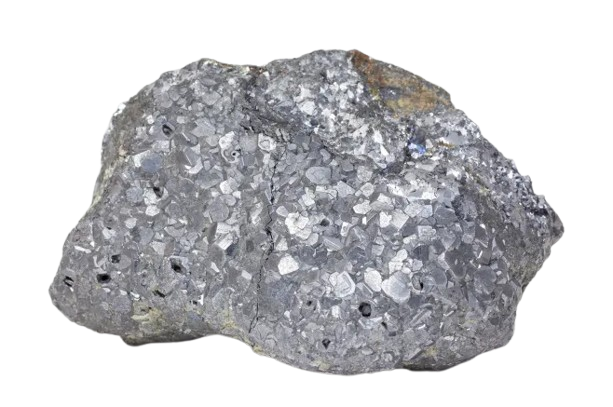
What are Lead/Zinc?
Lead (Pb) and Zinc (Zn) are naturally occurring metals that are often found together in the same mineral deposits, as their chemical behaviours are similar. They’re typically mined from underground ore deposits and then processed to extract the pure metals.
Lead is a soft, heavy, and malleable metal with a low melting point. Historically, it was used for pipes and paint, but due to its toxicity, its use has been significantly reduced. Today, its primary use is in the manufacturing of lead-acid batteries for vehicles and as a shield against radiation, such as in X-ray rooms.
Zinc is a bluish-white, brittle metal at room temperature. Its main use is in galvanization, a process of coating steel or iron to prevent rust and corrosion. Zinc is also a key component in alloys like brass (a mix of zinc and copper) and is essential for human health as a trace element.
Formation
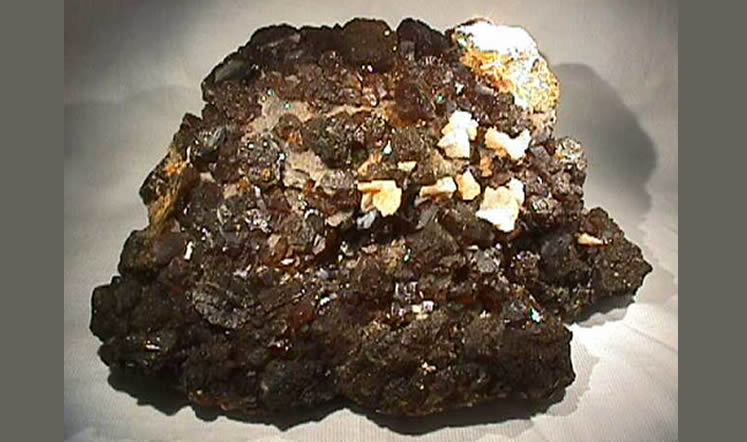
Lead and zinc deposits usually form from geological processes involving hot, metal-rich fluids, known as hydrothermal fluids. These fluids originate deep within the Earth’s crust and travel through rock fractures and faults. As the fluids move, they dissolve small amounts of lead and zinc from surrounding rocks.
The most common way lead and zinc deposits form is when these hot, metal-bearing fluids encounter specific conditions that cause the metals to precipitate out of the solution.
In many cases, the metals are also found in veins or fracture-fillings within rocks, where the hydrothermal fluids have solidified in place. While lead and zinc are often found together, they are later separated during the refining process to be used in various applications like batteries and galvanization.
Uses
Lead-Acid Batteries
The most significant use of lead today is in lead-acid batteries, which are crucial for automobiles, backup power systems, and uninterruptible power supplies (UPS). The plates inside these batteries are made of lead and lead oxides.
Radiation Shielding
Due to its high density, lead is an excellent material for radiation shielding. It is used in X-ray rooms, nuclear facilities, and in protective aprons and containers to block harmful radiation.
Uses of Zinc
Zinc (Zn) is a versatile metal with a wide range of applications, primarily valued for its corrosion resistance and its role in various alloys essential for modern industry.
Galvanization
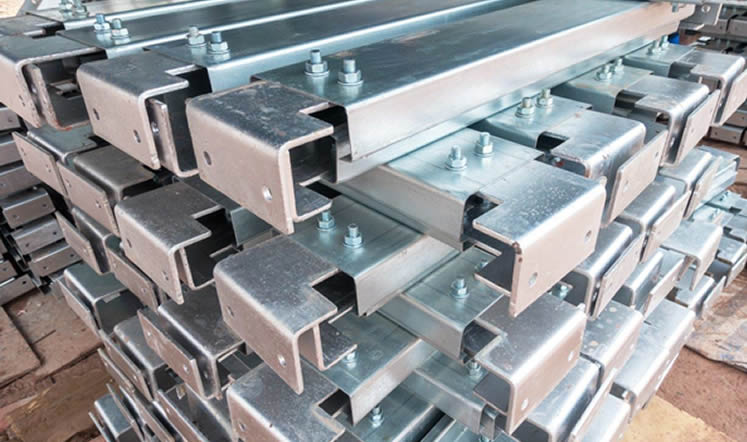
The primary use of zinc is in galvanization, a process where a protective zinc coating is applied to steel or iron to prevent rusting. This is critical for everything from car bodies and construction materials to guardrails and industrial structures.
Renewable Significance
Lead’s Renewable Significance
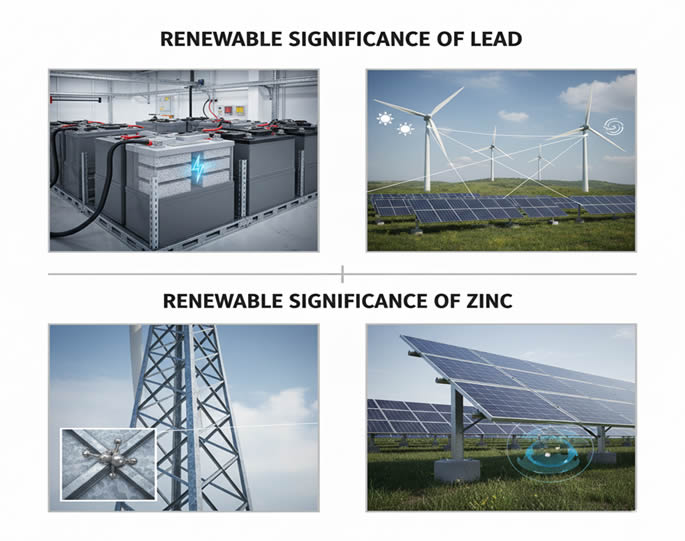
Lead is a key component in lead-acid batteries 🔋, which are a highly reliable and cost-effective solution for energy storage. While lithium-ion batteries often get the spotlight for electric vehicles, lead-acid batteries are essential for grid-scale energy storage and off-grid renewable energy systems. They store surplus energy generated by solar panels ☀️ and wind turbines 🌬️, ensuring a steady power supply even when the sun isn’t shining or the wind isn’t blowing. This makes renewable energy more reliable and a viable option for remote locations and backup power.
Zinc’s Renewable Significance
Zinc is vital for protecting the vast steel infrastructure used in renewable energy projects from corrosion.
- Galvanization: Zinc’s primary role is in galvanization, a process of coating steel to prevent rust. This is critical for the durability of large-scale renewable infrastructure, including the towers of wind turbines and the support structures for solar panels. Without a protective zinc coating, these structures would quickly degrade in harsh environmental conditions, leading to higher maintenance costs and a shorter lifespan.
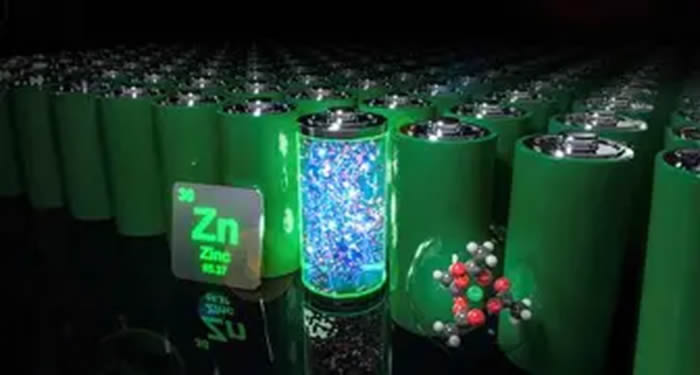
- Zinc Batteries: Zinc is also being explored for new, safe, and long-duration zinc-ion batteries 🔋, which could offer an alternative to traditional battery chemistries for energy storage.