
BITUMEN
BITUMEN
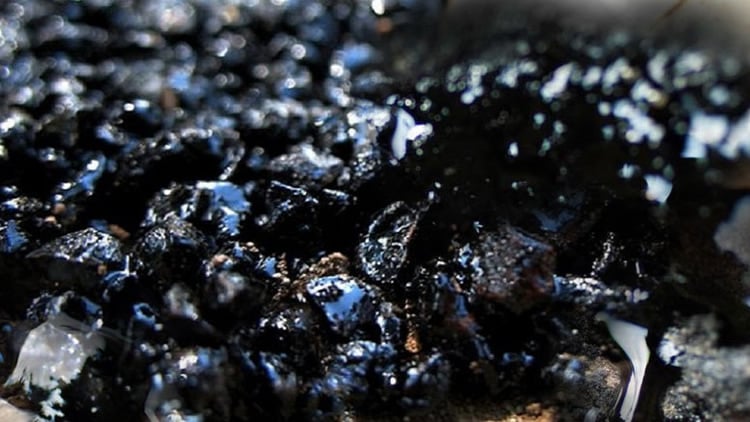
Bitumen is a dense, highly viscous, petroleum-based hydrocarbon that is found in deposits such as oil sands and pitches lakes (natural bitumen) or is obtained as a residue of the distillation of crude oil.
What is Bitumen?
Bitumen is a black, sticky, and highly viscous form of petroleum. It’s a key component of asphalt concrete, which is widely used for paving roads. Think of it as the glue that holds all the stones, sand, and gravel together in a road surface.
Bitumen is essentially a mix of complex hydrocarbons. Its properties, such as its viscosity (resistance to flow) and its melting point, can vary depending on its source and how it’s processed. It’s a thermoplastic material, meaning it gets softer when heated and harder when cooled. This makes it easy to work with during road construction. It’s also known for its waterproofing and adhesive qualities.

Formation
Naturally occurring bitumen is a result of millions of years of geological processes. It’s essentially a type of crude oil that has been subjected to significant heat and pressure, causing its lighter components to evaporate over time, leaving behind the heavy, sticky residue. This process is often associated with ancient organic matter, like microscopic algae, that accumulated at the bottom of ancient lakes or oceans. The heat and pressure from being buried deep within the earth transformed these remains into what we now know as bitumen. Large natural deposits are found in “oil sands”.
Uses Of Bitumen
Road Construction
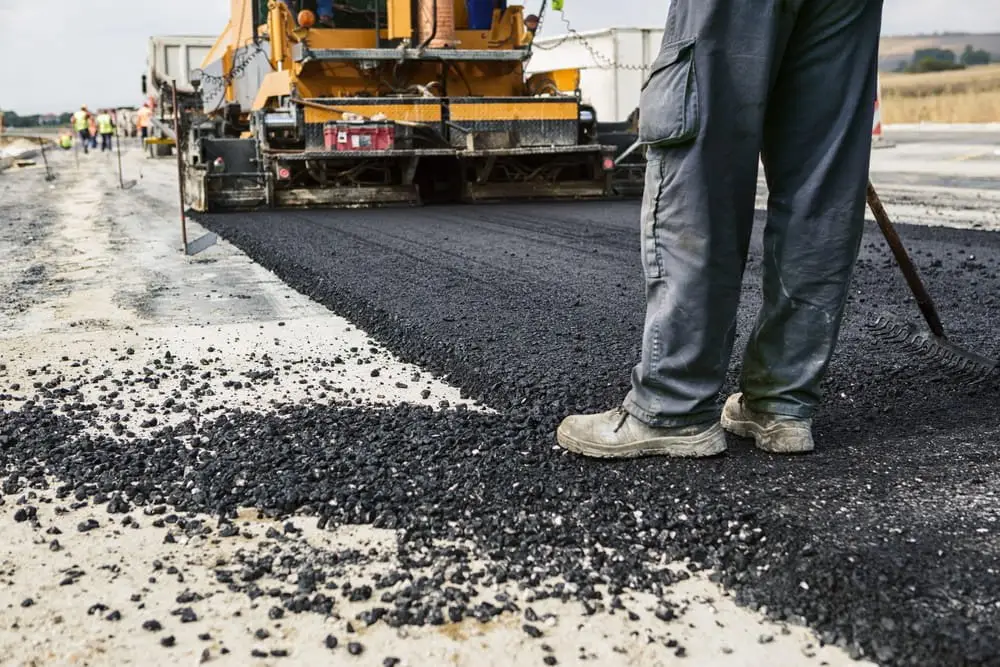
This is the most common use of bitumen, accounting for over 85% of its consumption. In road paving, bitumen acts as a binder, or “glue,” that holds together the aggregates (like crushed stone, gravel, and sand) to form asphalt concrete. This mixture is used for building and maintaining.
Waterproofing and Roofing
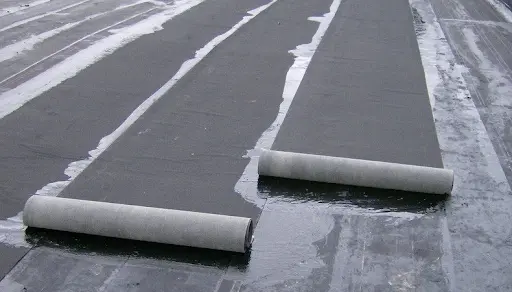
Bitumen’s ability to create an impermeable barrier against water is a key reason for its use in construction. It is used for foundation and basement waterproofing. It is a primary component in roofing felt and shingles for flat and low-sloped roofs, providing a tough, waterproof layer that protects the building from rain and moisture.
Renewable significance
Bitumen itself isn’t a renewable resource. It’s a fossil fuel, primarily a byproduct of crude oil refining, and crude oil is a finite, non-renewable resource. However, its “renewable significance” comes from its key role in the circular economy and the development of bio-based alternatives.
- Recycling and Reusing Bitumen
Asphalt, which is a mix of bitumen and aggregate, is the most recycled material on Earth. Old asphalt from roads and pavements, known as Reclaimed Asphalt Pavement (RAP), is crushed and reused in new asphalt mixes. This process is crucial for bitumen’s sustainability because:
- ♻️ It reduces the need for new bitumen and aggregates, conserving finite resources.
- 🗑️ It diverts waste from landfills.
- 💰 It’s cost-effective and lowers the overall carbon footprint of road construction.
The bitumen in RAP is still effective and can be reactivated by heating and mixing it with new materials, making the entire road surface a valuable, reusable resource.
- Bio-Bitumen (Bio-Asphalt)
To address the non-renewable nature of petroleum-based bitumen, scientists are developing bio-bitumen from renewable organic materials. This innovative alternative is a major step toward a more sustainable infrastructure.
- 🌿 Sources: Bio-bitumen is made from biomass, including agricultural and forestry waste like lignin (a byproduct of paper production), molasses, and vegetable oils.
- 🔬 Properties: While still under development, bio-bitumen has shown promising results, with properties similar to traditional bitumen. Some studies even suggest it can improve the performance of asphalt by enhancing its elasticity and resistance to cracking.
- 🌍 Environmental Impact: Producing bio-bitumen from waste products helps reduce reliance on fossil fuels and lowers greenhouse gas emissions, directly contributing to a cleaner, more sustainable future.