
GOLD
GOLD
Gold is more than just a shiny metal—it’s a symbol of wealth, a cornerstone of economies, and a marvel of chemistry. It is a highly sought after precious metal with cultural and historical significance.
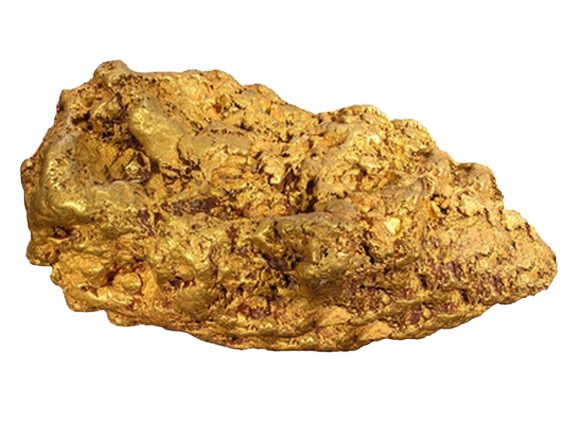
Gold (Au) is a precious, yellow metal that has captivated human civilization for millennia due to its rarity, beauty, and unique properties. It is a chemical element and a mineral that occurs naturally in the Earth’s crust, typically in its pure, or native, state. It is known for its incredible resistance to corrosion and tarnish, meaning it won’t rust or decay over time, which makes it a symbol of eternal value.
Gold is one of the densest metals, which is why it feels heavy for its size. This density, along with its unique colour, has been used for centuries to distinguish it from other minerals. It is also one of the most malleable and ductile metals, meaning it can be hammered into extremely thin sheets (gold leaf) or drawn into very fine wires without breaking.
Historically, gold has been used as a medium of exchange and a store of wealth. Today, while it still serves this purpose, its uses have expanded significantly to include jewellery, electronics, dentistry, and aerospace due to its excellent electrical conductivity and resistance to corrosion.
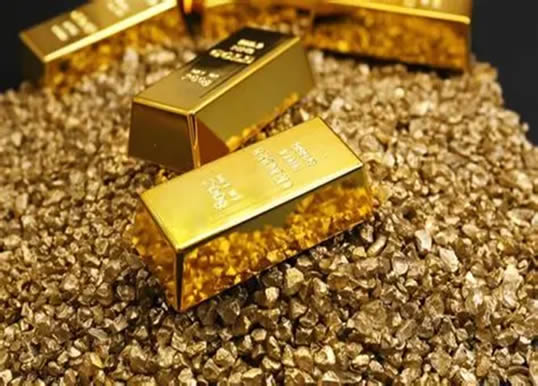

Formation
Gold deposits are generally formed through geological processes, often associated with volcanic activity and hydrothermal fluids. It can be found in two main types of deposits:
- Lode Deposits (Primary): Gold is found embedded within rock veins, often with quartz, where it was originally deposited by hot fluids.
- Placer Deposits (Secondary): Gold is found in loose particles or nuggets in riverbeds and streambeds. These deposits form when the gold from lode deposits is weathered out of the rock and transported by water.
Uses
Gold’s unique properties—including its beauty, malleability, high density, and resistance to corrosion and tarnish—make it one of the most useful and sought-after metals on Earth. Its uses span from traditional adornment and wealth storage to modern industrial and medical applications.
1. Jewelry
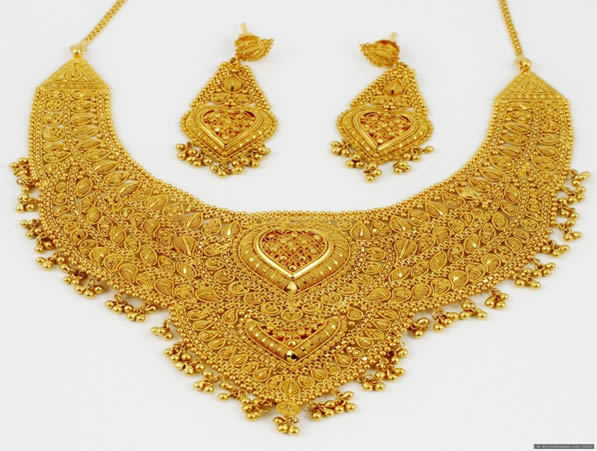
This is the single largest use for gold globally. Its inherent luster, workability, and permanence make it the perfect material for crafting rings, necklaces, bracelets, and other ornaments. Pure gold (24-karat) is very soft, so it’s typically mixed with other metals like copper, silver, or zinc to create more durable alloys, such as 18-karat or 14-karat gold.
2. Finance and Investment
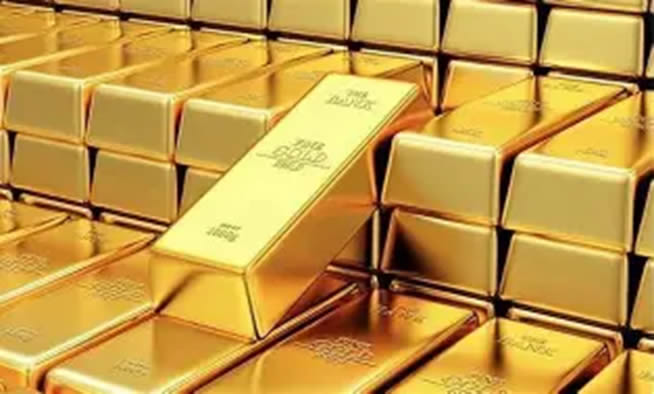
For centuries, gold has been seen as a symbol of wealth and a store of value. It’s used by governments and central banks as a reserve asset and is a popular investment for individuals looking to protect their wealth against inflation and economic instability. This use accounts for a significant portion of the world’s total gold supply, held in the form of gold bars, coins, and bullion.
3. Electronics
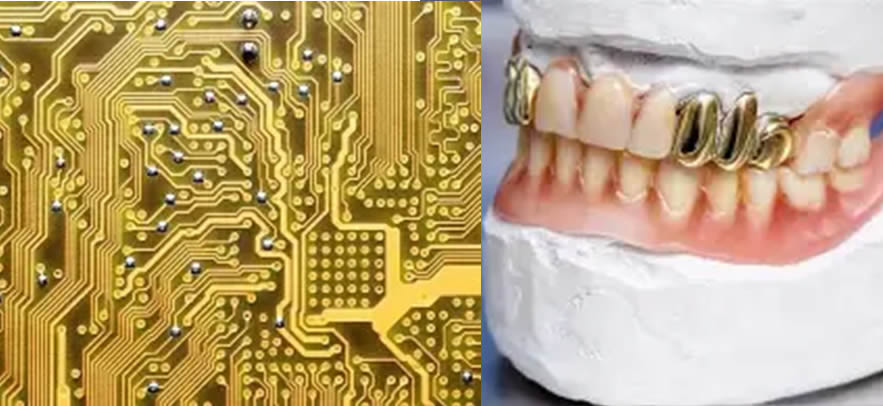
Gold’s excellent conductivity and resistance to corrosion make it indispensable in the electronics industry. Even in tiny amounts, it ensures reliable connections and signal transmission in critical components. It’s found in smartphones, computers, and other devices, where it’s used for connectors, circuit board contacts, and wiring. Because it doesn’t tarnish, it provides a long-lasting, reliable connection for devices that require high performance and durability.
4. Dentistry and Medicine
Due to its biocompatibility (it is non-toxic and doesn’t react with body tissues), gold has been used in dentistry for over 2,500 years. It’s used for crowns, bridges, and fillings because it’s durable, non-corrosive, and easy to work with. In modern medicine, gold is used in a variety of applications, including as a treatment for rheumatoid arthritis and in cancer therapies using gold nanoparticles.
5. Aerospace
The aerospace industry uses gold’s reflective properties to protect spacecraft and satellites. A thin layer of gold can be applied to parts to reflect infrared radiation, helping to regulate temperature in the extreme conditions of space. Gold is also used for its lubricating properties in mechanical parts where traditional lubricants would fail due to extreme temperatures.

Renewable significance
While gold is not a renewable energy source itself, it plays a critical, though often unseen, role in various technologies that underpin the renewable energy sector and contribute to a sustainable future. Its unique properties, particularly its exceptional conductivity and corrosion resistance, make it indispensable for the efficiency and longevity of green technologies.

Solar Panel Efficiency and Durability
Gold’s excellent electrical conductivity and resistance to corrosion are vital for the efficiency and durability of solar panels.
- Connectors and Wiring: Tiny amounts of gold are used in the electrical contacts and connectors within solar panels ☀️ to ensure maximum efficiency in electricity transfer and long-term reliability. Its resistance to oxidation means these connections remain stable over decades, crucial for the long lifespan expected of solar installations.
- Thin-Film Solar Cells: In advanced thin-film solar technologies, gold can be used in electrodes to enhance performance and light absorption, helping to maximize the energy converted from sunlight.