
POTASH
Potash, is a naturally occurring mineral composed of hydrated sulfates of potassium, calcium, and magnesium. It is primarily used as a multi-nutrient fertilizer because it contains four essential plant nutrients: potassium (K), sulfur (S), magnesium (Mg), and calcium (Ca).
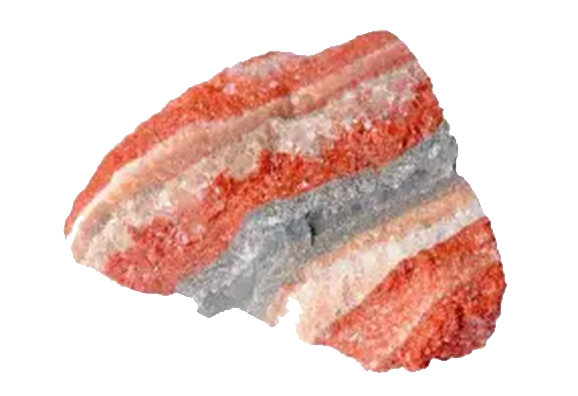
What is Potash?
Potash is a mineral, which means it’s a solid, naturally occurring substance with a specific chemical makeup. Its name, “potash,” comes from Greek words meaning “many salts,” which makes sense because it’s made up of several mineral salts. It’s often found deep underground in rock formations that were created millions of years ago when ancient seas evaporated.
The key thing to know about potash is that it’s a “multi-nutrient” fertilizer. Instead of giving plants just one or two nutrients, it gives them four at once. This is a big deal because plants, like people, need a balanced diet to grow strong and healthy.
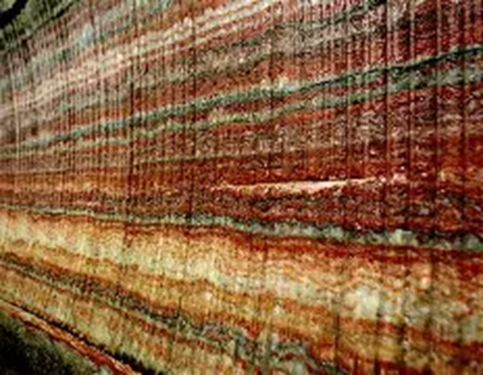
Formation
The vast majority of modern potash is formed through a geological process called evaporite formation. This process involves the evaporation of ancient seas or lakes in hot, arid climates, leaving behind concentrated layers of salt minerals.
Uses
Agriculture (Fertilizers)
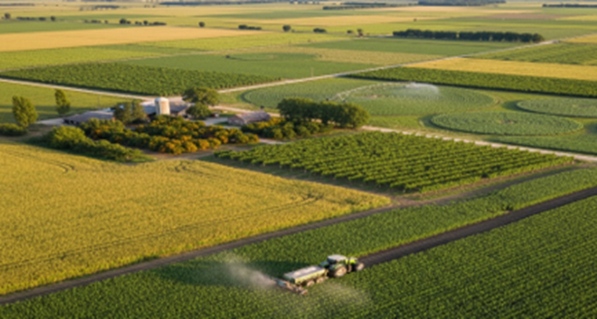
This is by far the largest application of potash. Potassium is one of the three macronutrients (N-P-K) essential for plant growth, promoting strong roots, improved yield, disease resistance, and overall plant health. Potash fertilizers are used on a vast range of crops, from grains and fruits to vegetables and cotton, to replenish soil nutrients and ensure robust harvests.
CHEMICAL INDUSTRY
Potassium compounds derived from potash are crucial raw materials in the chemical industry. They are used to produce a wide array of chemicals for various applications. For example, potassium hydroxide (caustic potash) is used in the manufacturing of soaps, detergents, and industrial cleaning agents. Potassium carbonate is used in glassmaking and as a leavening agent.